
Chester Hedging Services
Choose our hedging services for precision, reliability, and beautiful results that enhance your property's privacy and curb appeal year-round.
Get a Free QuoteOur Chester Landscaping & Yard Care Services
When to Schedule Hedging in Chester, Connecticut – Seasonal Guide
In Chester, Connecticut, timing your hedging services is crucial for maintaining healthy, attractive landscapes. The best periods for hedging typically fall in late spring and early summer, after the last frost has passed but before the peak of summer heat. Chester’s climate, with its humid summers and cold winters, means that hedging too early can expose plants to frost damage, while waiting too late may stress shrubs during dry spells. Neighborhoods near Cedar Lake or along Main Street often experience microclimates—such as increased shade or wind exposure—that can further influence the ideal timing for hedging.
Local environmental factors play a significant role in scheduling. For example, areas with heavier clay soils, common near the Pattaconk Brook, may retain moisture longer, affecting root health and recovery after trimming. Additionally, Chester’s municipal guidelines and conservation efforts, which can be reviewed on the town’s official website, may impact when and how hedging can be performed, especially in protected zones or near public walkways.
Local Factors to Consider for Hedging in Chester
- Proximity to water bodies like Cedar Lake, which can increase humidity and fungal risk
- Tree density and shade coverage, especially in wooded neighborhoods
- Soil type (clay, loam, or sandy) affecting drainage and plant recovery
- Typical precipitation patterns and drought risk during summer months
- Terrain and slope, which may influence access and equipment needs
- Municipal restrictions or conservation area guidelines
Benefits of Hedging in Chester
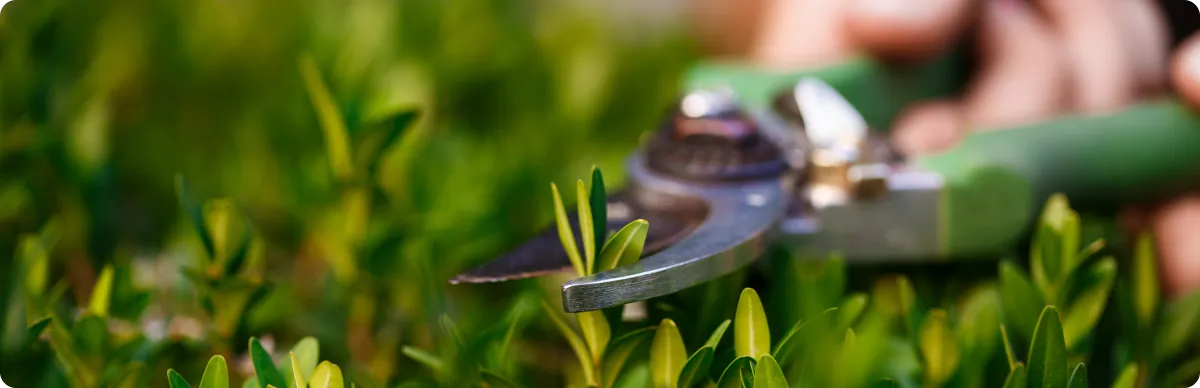
Professional Hedge Shaping
Enhanced Curb Appeal
Improved Privacy
Expert Plant Health Care
Seasonal Maintenance Plans
Local Chester Landscaping Specialists
Chester Hedging Types

Boxwood Hedges
-
Laurel Hedges
-
Yew Hedges
-
Privet Hedges
-
Beech Hedges
-
Holly Hedges
-
Hornbeam Hedges
Our Hedging Process
Consultation and Planning
Site Preparation
Precision Trimming
Cleanup and Inspection
Why Choose Chester Landscape Services
-
Chester Homeowners Trust Us
-
Expert Lawn Maintenance
-
Reliable Scheduling
-
Competitive Pricing
-
Professional Team
-
Satisfaction Guarantee
-
Personalized Service
Hedging in Chester: Municipal Coordination, Collection, and Permit Requirements
Hedging activities in Chester are subject to specific municipal coordination and regulatory oversight. The Chester Department of Public Works oversees maintenance of public rights-of-way and enforces local ordinances regarding hedge height, encroachment, and debris management. Equipment operation for hedging is permitted during the following hours:
- Monday-Friday: 7:00 AM - 7:00 PM
- Saturday: 8:00 AM - 6:00 PM
- Sunday and holidays: Prohibited
All hedge trimmings and green waste must be disposed of according to the town’s collection schedule, with weekly pickup every Thursday from April through November. Residents must use biodegradable bags or 32-gallon reusable bins; plastic bags and branches over 4 inches in diameter are not accepted. Permits are required for hedging work impacting public property or within 25 feet of wetlands, with a typical review period of 10 business days and an application fee of $50. For detailed guidance, contact:
Chester Department of Public Works
203 Middlesex Avenue, Chester, CT 06412
Phone: (860) 526-0013
Official Website: Chester Department of Public Works
Soil Series and Drainage Considerations for Hedging in Chester
Chester’s landscape is characterized by Inceptisols and Ultisols, with prevalent soil series such as Charlton-Chatfield and Canton soils, as identified by the USDA Web Soil Survey. These soils are typically moderately acidic (pH 5.5-6.5), stony, and often poorly drained, especially in low-lying or wooded areas. When planning hedge installation or maintenance, it is essential to:
- Conduct a soil test (available through UConn Extension; $15-25 per sample)
- Amend soil with lime if pH is below 6.0
- Incorporate 2-3 inches of compost to a 6-inch depth for improved drainage
- Avoid planting in areas with a seasonal water table within 12-18 inches of the surface
Proper site assessment ensures healthy root development and reduces the risk of root rot or dieback. For properties near wetlands, a 25-foot no-disturbance buffer is required under local ordinance, enforced by the Chester Conservation Commission.
Chester Conservation Commission
203 Middlesex Avenue, Chester, CT 06412
Phone: (860) 526-0013
Official Website: Chester Conservation Commission
Environmental Compliance: Wetland Buffers and Stormwater Management in Chester
Hedging near Chester’s wetlands, streams, and conservation areas is regulated to protect water quality and sensitive habitats. The Connecticut Environmental Protection Act and Chester’s MS4 permit under the Clean Water Act prohibit the discharge of clippings or soil into storm drains. Key compliance steps include:
- Maintain a 25-foot no-disturbance buffer from all wetlands and watercourses
- Prohibit fertilizer or pesticide application within 50 feet of water bodies
- Ensure all green waste is collected and not left on site
- Use only approved, low-phosphorus fertilizers
Violations may result in enforcement actions by the Chester Conservation Commission or the Connecticut Department of Energy and Environmental Protection. For technical assistance, consult UConn Extension for best management practices and buffer zone recommendations.
Selecting Hedge Species for Chester’s Climate and Wildlife Considerations
Chester is located in USDA Hardiness Zone 6b, with average minimum winter temperatures of -5°F to 0°F. When selecting hedge species, it is important to choose varieties that are tolerant of local soil acidity, deer browsing, and periodic wetness. Recommended species for Chester include:
- Inkberry holly (Ilex glabra): Tolerates wet soils and is native to Connecticut
- American arborvitae (Thuja occidentalis): Suitable for screening, but may require deer protection
- Winterberry (Ilex verticillata): Thrives in acidic, moist soils and supports local wildlife
- Eastern red cedar (Juniperus virginiana): Drought-tolerant and provides year-round cover
Plant hedges 18-24 inches apart for optimal density. For properties adjacent to conservation lands, prioritize native species to support pollinators and avoid invasive plants. For further guidance, refer to UConn Extension plant selection resources.
What Neighborhoods Do We Serve Throughout Chester, CT?
- Chester Village Center: Features historic properties with mature landscaping and compact lot sizes, requiring careful attention to hedge height and setback regulations.
- Goose Hill: Characterized by sloped terrain and stony soils, necessitating erosion control measures and species tolerant of rocky conditions.
- Jennings Pond Area: Proximity to wetlands and water bodies means strict enforcement of buffer zones and wetland protection ordinances.
- Cedar Lake District: Lakeside properties face unique challenges with fluctuating water tables and must comply with fertilizer and pesticide restrictions near the shoreline.
- Wig Hill: Larger lots with mixed woodland and open areas, often requiring deer-resistant hedge species and management of invasive plants.
- Deep River Road Corridor: Heavier traffic and utility easements require attention to sightline regulations and coordination with the Department of Public Works for right-of-way maintenance.
- North Quarter: Newer developments with compacted fill soils, where soil amendment and drainage improvement are critical for successful hedge establishment.